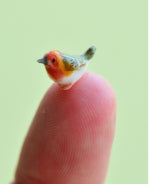
How Animal Figurines Can Enhance Home Education
Posted by Marketing on Sat, Dec 06, 25
Animal figurines have a strong effect on home learning because they give children something physical to hold, observe, and move around during lessons. This makes ideas easier to understand, especially for younger learners who respond well to hands-on activities. A miniature fox, deer, turtle, or bird offers a simple way to connect imagination with real animals, giving children confidence as they learn through play. Many children find comfort in familiar characters, and this helps them stay focused for longer periods, far more than they would with screens or worksheets alone.
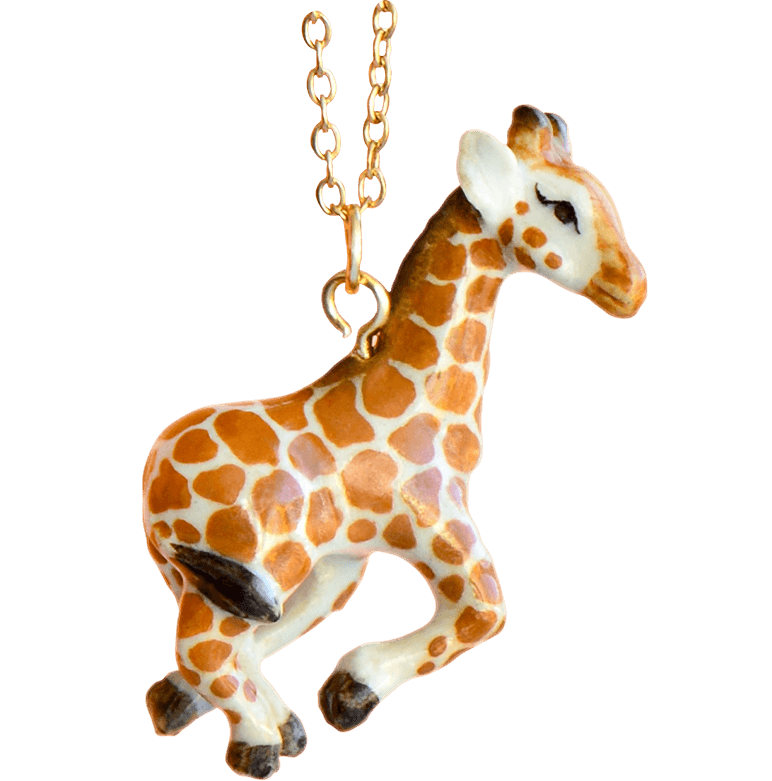
Camp Hollow figurines add to this experience through gentle facial expressions, warm colours, and nature-based themes that encourage storytelling and curiosity. Their handcrafted style makes each piece feel welcoming, helping children build positive feelings around learning at home.
What Educational Skills Can Animal Figurines Help Develop?
Animal figurines support learning in many subjects because they spark curiosity and guide children into natural discovery. Whether placed on a table during lessons or used freely in play, they help children grasp new ideas in science, maths, language, and arts. Their shapes, colours, and personalities encourage children to ask questions, build scenes, and make connections between information and imagination. Camp Hollow figurines are especially strong in this area because they feel expressive and lifelike without being overwhelming, allowing children to stay relaxed and focused.
How Can Figurines Support Science Learning at Home?
Animal figurines make science lessons feel more accessible because children can visually model habitats and behaviours right on the table. Woodland creatures help explain forests, while sea animals bring ocean environments to life. These figurines help children understand basic biology, such as diets, movement, and family structures, and can even introduce simple food chains. They also support lessons on life cycles and ecosystems by showing how animals interact with their surroundings. Parents can bring figurines on nature walks, encouraging children to link outdoor observations with indoor learning. Camp Hollow pieces such as foxes, owls, turtles, and whales are especially good for this because their expressive shapes make discussions feel lively and engaging.
How Can Figurines Be Used for Maths Skills?
Using figurines for maths helps children understand early concepts through visual grouping. Counting and sorting animal miniatures builds number sense, while arranging them in simple sequences introduces patterns. Parents can use two groups of animals to demonstrate addition or subtraction, allowing children to physically move pieces to see changes in quantity. Size differences between figurines support comparisons such as big/small or tall/short. These activities feel natural and playful, making maths less pressured for young learners and giving them a stable foundation for more complex ideas later on.
How Do Animal Figurines Help With Language and Literacy Skills?
Animal figurines encourage strong language development because they prompt children to tell stories without needing written prompts. A child might create a tale about a fox in the forest or a whale exploring the sea, helping them practise vocabulary, sentence structure, and expressive communication. Parents can introduce new words such as “nocturnal,” “habitat,” “prey,” or “burrow” in a gentle way during play. Figurines also make excellent writing prompts for older children, allowing them to describe scenes or develop short stories. Camp Hollow’s storytelling style makes this easier, as each figurine carries a certain personality that naturally inspires imagination.
How Do Figurines Encourage Artistic Expression?
Art activities become more creative when children have figurines to observe and interpret. They can draw or paint their favourite animal, noticing shapes, colours, and textures. Small scenes or dioramas allow children to build habitats using craft materials such as leaves, cardboard, moss, or sand. Seasonal displays also help children understand changes in nature, linking their art to real environmental themes. Figurines serve as steady visual references, supporting fine motor skills and creative exploration without pressure or structure.
Learning Activities by Age Group
Different age groups learn in different ways, and animal figurines adapt easily to each stage. For younger children, the focus is often on identifying shapes, names, and colours, while older children can handle more structured activities such as building models, studying food chains, or exploring conservation topics. Camp Hollow figurines suit all levels because they combine friendly expressions with clear shapes, making them approachable for young learners yet expressive enough to support deeper discussions for older students. This flexibility allows parents to use the same set of figurines across several years of home learning.
What Activities Work Best for Preschool Children?
Preschool children benefit from simple activities such as naming animals, matching colours, or sorting figurines by land, sea, or air. These tasks help build vocabulary and early recognition skills. Matching parent and baby pairs, such as deer and fawns or ducks and ducklings, also helps children understand relationships. Sensory play works well too, allowing children to place figurines in bins filled with sand, leaves, or water to explore textures and natural settings. The soft shapes of Camp Hollow animals make them easy for small hands to hold and move.
What Can School-Age Children Learn Using Figurines?
School-age children can explore wider subjects by building models of habitats such as forests, oceans, farms, or arctic landscapes. Figurines help illustrate simple food chains and animal roles within ecosystems. Parents can introduce basic geography by discussing where each animal lives globally, using maps alongside figurines. Role-play activities using animal behaviours also support social skills, as children practise turn-taking, sharing, and creating small stories with structure and sequence.
How Can Older Children Use Figurines for Advanced Learning?
Older children can engage with more advanced ideas such as biodiversity and how different species depend on one another. Figurines can also support early classification work, helping children group animals by traits such as diet, habitat, or movement. Conservation topics become easier to understand when children can visualise threatened habitats using figurines as references. Linking these lessons with documentaries or research projects helps children build deeper knowledge, turning each figurine into a starting point for wider investigation.
How Can Parents and Educators Use Figurines in Everyday Learning?
Animal figurines fit naturally into daily learning because they help children connect ideas through play, conversation, and imagination. Parents and educators often look for ways to make learning feel less pressured and more meaningful, and figurines offer a simple way to do this. They can sit quietly on shelves until needed or become active parts of stories, games, and lessons. Children respond well to physical objects during tasks because it gives them something familiar to focus on, helping them build confidence while exploring new topics. Camp Hollow figurines add warmth to these moments through gentle expressions and nature-inspired themes, making them ideal for creating a steady learning rhythm at home.
How to Create a Dedicated Learning Corner with Figurines
A small learning corner helps children stay grounded during lessons, and organising figurines by theme can support this. Woodland, sea, mythical, and domestic groups make it easy for children to choose topics they enjoy. Trays and small baskets allow parents to rotate sets so learning feels fresh each week. Mixing figurines with books, flashcards, and small props creates a simple learning station that encourages children to explore ideas independently.
How to Blend Figurines Into Daily Learning Routines
Figurines can be part of everyday moments without making learning feel forced. They work well on morning tables as calm starting activities or as companions during storytime to help visualise characters. Mealtime discussions become more engaging when children talk about where certain animals live or what they eat. Small challenges, such as “find all the animals that live in trees,” help build quick thinking and curiosity.
How to Encourage Independent Learning Using Figurines
Children build confidence when allowed to explore freely, and figurines support this by encouraging them to create their own scenes and simple stories. Free play often leads to questions about habitats, diets, or behaviours, letting learning unfold naturally. Some children may enjoy drawing or journaling about the animals they choose for the day, turning figurines into prompts for quiet reflection and creative thinking.
Why Camp Hollow Figurines Are Ideal for Home Education
Camp Hollow figurines bring a unique warmth to home learning because their hand-painted details make each piece feel expressive and inviting. Children often respond positively to figurines with friendly faces, which helps them approach new topics with ease rather than hesitation. The porcelain finish gives each animal a durable feel, making them suitable for long-term use across different lessons and ages.
Their themes, woodland, sea life, farm animals, mythical creatures, and birthday animals, allow parents to build lessons around nature, science, storytelling, or celebrations. These figurines work well as teaching props, décor, play objects, or scene builders, giving them wide value throughout the home. Because they are collectible, families can expand their learning sets gradually, adding new animals as curiosity grows.
Practical Tips for Maintaining and Storing Educational Figurines
Proper care keeps figurines safe and ready for learning at any time. Ceramic pieces should be stored on stable shelves or in shallow trays where children can reach them without risk of dropping. Displaying them in small groups makes the area tidy while keeping animals accessible for play or lessons. Wiping them occasionally with a soft cloth helps maintain their colour and detail. Parents can rotate sets every few weeks to keep interest high, introducing new themes as children progress. Creating “learning kits” that pair figurines with books, sorting cards, or small craft supplies can make lessons easier to set up and enjoyable for children to explore independently.
Final Thoughts on Using Animal Figurines for Home Education
Animal figurines are a helpful tool for families seeking practical and enjoyable ways to support learning at home. They encourage children to build creativity, develop early science knowledge, strengthen vocabulary, and gain emotional confidence through gentle exploration. These pieces work across many subjects and ages, offering long-term value as both décor and learning aids. Parents can experiment with different themes, letting curiosity guide each lesson. Camp Hollow’s figurines offer a warm and expressive way to support these experiences, giving children something meaningful to hold as they learn. If you feel inspired to try figurines in your routine, explore the collections and find pieces that match your child’s interests. You’re welcome to share how your family uses them, as these ideas often help others begin their own learning journey.
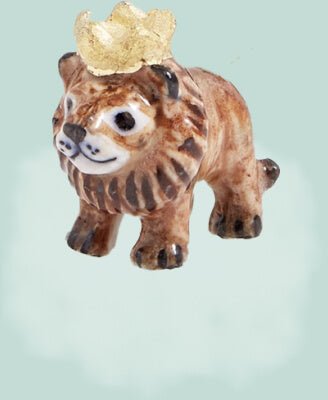


Coming August 4th: Meet the Possum Cake Topper – Our Cutest Creature Yet!
🐾 Coming August 4th: The Possum Cake Topper Is Almost Here!
LIVE 4th AUGUST 2025...

NEW PRODUCT ALERT: The Canadian Goose Cake Topper🪿
LIVE 13th MAY 2024

"Lighting the Way to Joyful Memories: The Timeless Legacy of Camp Hollow Ceramic Keepsakes

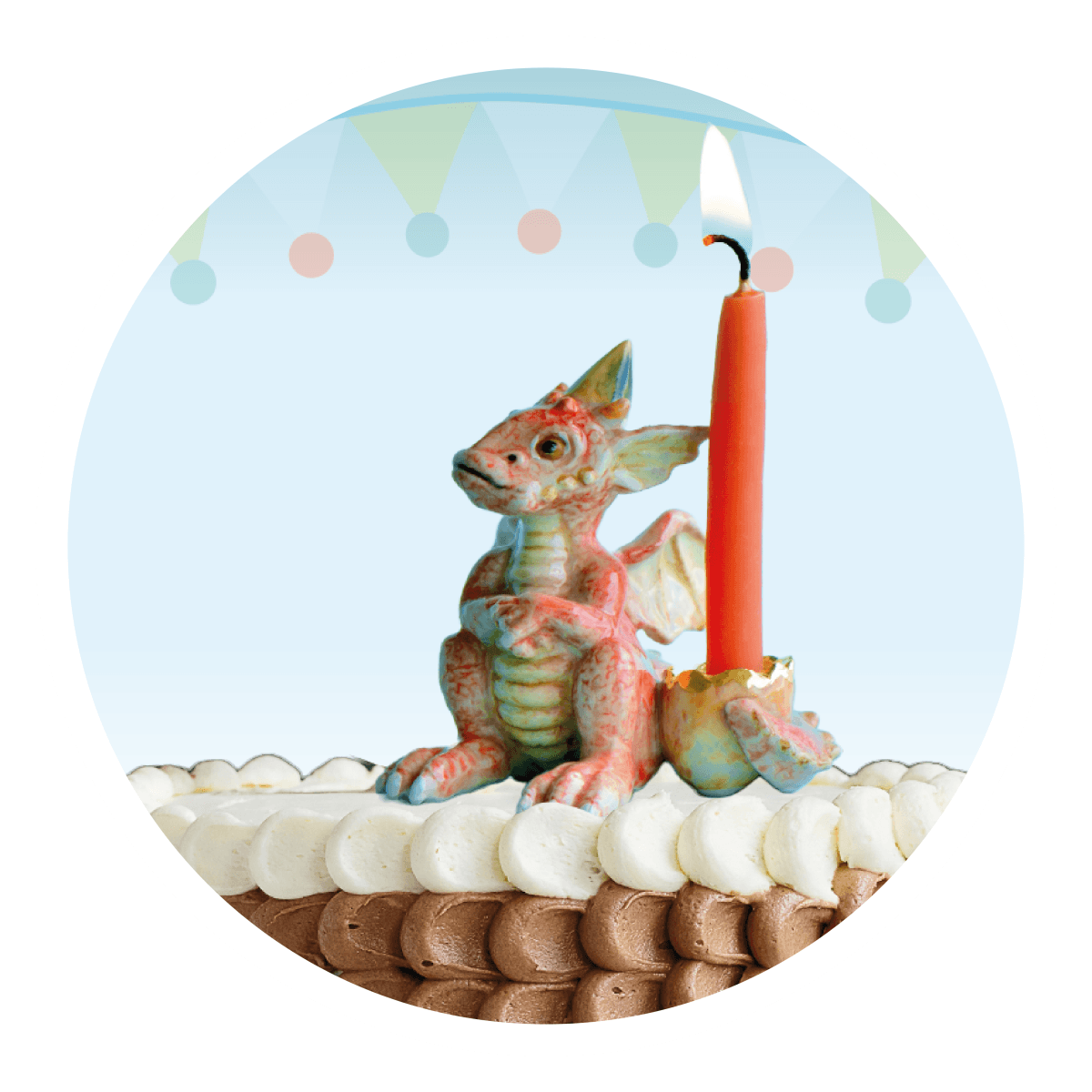

The Power of Tradition: Why Camp Hollow Cake Toppers are the Perfect way to Start to a New Family Tradition

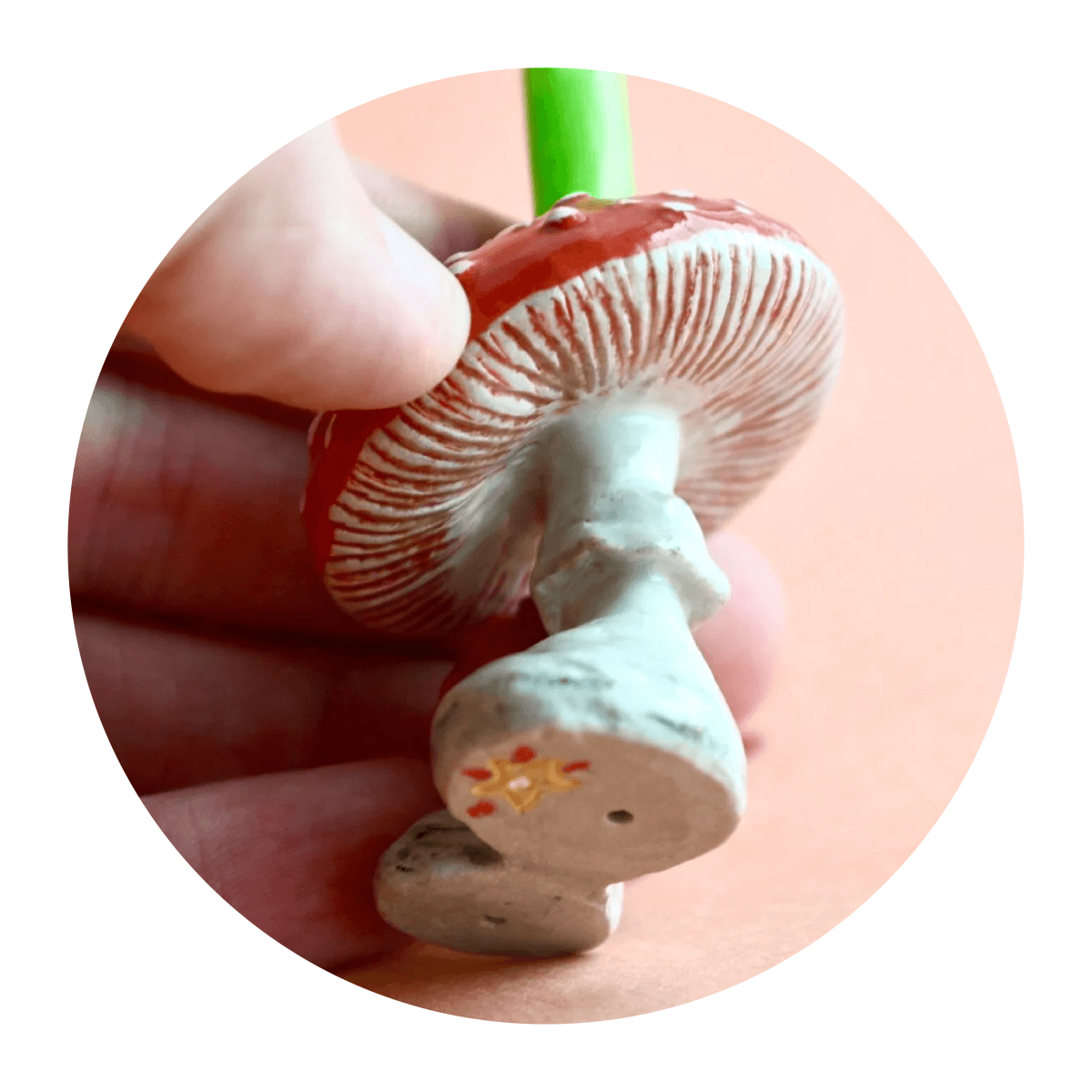



The Origins of the Piggy Bank: Why we put our money in Porcelain pigs!
Piggy banks are a strange tradition that is found in many cultures across the world.
Piggy Banks are often...