The Psychology of Wearing Symbolic Jewelry
Posted by Marketing on Thu, Jul 23, 26
People often choose jewelry because it looks beautiful, but appearance is rarely the only reason a piece becomes a favorite. A simple pendant can remind someone of a loved one, an animal charm can represent personal strength, and a ring passed down through generations can carry decades of family history. These emotional connections explain why some pieces are worn every day while others remain carefully stored as treasured keepsakes. Understanding the psychology behind symbolic jewelry helps us see why certain designs stay meaningful long after fashion trends have changed.
For thousands of years, people have used jewelry to express identity, celebrate important moments, protect cultural traditions, and preserve memories. Today, symbolic jewelry continues to serve the same purpose. Whether it represents resilience, love, hope, or a connection with nature, meaningful jewelry allows people to carry a personal story wherever they go. This article explores the psychology behind symbolic jewelry, why it creates lasting emotional value, and how handcrafted pieces become cherished keepsakes for generations.
What Is Symbolic Jewelry?
Symbolic jewelry is any piece of jewelry that represents a personal idea, memory, belief, relationship, or life experience. Instead of being chosen only for its appearance, symbolic jewelry carries emotional or cultural meaning that reflects the wearer's story. The meaning may come from the design itself, the material, the occasion it commemorates, or the person who gave it as a gift.
Throughout history, symbolic jewelry has taken many forms. Ancient civilizations wore protective amulets, families passed heirloom lockets from one generation to another, and people exchanged meaningful rings and pendants to celebrate love, friendship, and important milestones. Today, symbolic jewelry remains popular because it helps people express who they are in a quiet and personal way.
Unlike fast-changing fashion accessories, symbolic jewelry often becomes part of everyday life because its value comes from the memories and emotions attached to it.
Common Examples of Symbolic Jewelry
Many jewelry styles can become symbolic depending on the wearer's personal connection.
Common examples include:
-
Animal pendants
-
Birthstone jewelry
-
Lockets with family photographs
-
Crosses and religious symbols
-
Nature-inspired necklaces
-
Charm bracelets
-
Memorial jewelry
-
Wedding and engagement rings
-
Family heirlooms
-
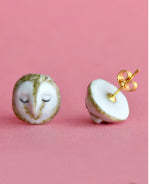
Handcrafted porcelain jewelry
Although these designs differ in appearance, they all share one important characteristic: they represent something meaningful to the person wearing them.
Why Humans Have Worn Symbolic Jewelry for Thousands of Years
The desire to wear meaningful objects is much older than modern fashion. Archaeological discoveries show that people have created symbolic jewelry for thousands of years using shells, bone, stone, clay, precious metals, and gemstones. Across different civilizations, jewelry served as a way to communicate identity, beliefs, achievements, and social connections. Although materials and styles have changed over time, the emotional reasons for wearing symbolic jewelry remain remarkably similar.
Ancient Egypt
Ancient Egyptians believed jewelry offered both spiritual and physical protection. Scarab beetles, the Eye of Horus, ankhs, and other symbols were worn as amulets that represented health, renewal, protection, and eternal life. Gold jewelry often carried religious significance because Egyptians associated gold with the gods and immortality. Many pieces were buried alongside their owners because they were believed to continue offering protection in the afterlife.
Ancient China
In ancient China, jewelry reflected harmony, prosperity, wisdom, and family heritage. Jade became one of the most respected materials because it symbolized purity and virtue. Porcelain later emerged as another highly valued artistic material. As porcelain craftsmanship developed, beautifully painted decorative objects and jewelry reflected both artistic excellence and cultural identity.
Animal symbols also played an important role in Chinese traditions. Dragons represented power, cranes symbolized longevity, and butterflies were connected with happiness and lasting love.
Greece and Rome
Greek and Roman societies viewed jewelry as both decoration and personal expression. Laurel leaves represented victory, dolphins symbolized protection, and snakes reflected renewal because they shed their skin. Jewelry often celebrated military achievements, family status, or devotion to particular gods and goddesses. Rings also became important symbols of authority and personal identity.
Medieval Europe
During the Middle Ages, symbolic jewelry often reflected religious faith and family loyalty. Crosses, saints, engraved rings, and protective charms became common. Noble families also used jewelry to display family crests, strengthening their identity across generations. Many pieces served practical purposes as well. Signet rings carried official seals, while lockets preserved small personal keepsakes close to the wearer.
Indigenous Traditions
Many Indigenous cultures around the world continue using symbolic jewelry to express their relationship with nature, ancestors, and community. Feathers, shells, carved animals, natural stones, and woven materials often represent respect for wildlife, spiritual guidance, or cultural heritage. Rather than viewing jewelry simply as decoration, these traditions recognize it as part of storytelling, identity, and shared history.
Jewelry as Protection, Identity, and Social Status
Throughout history, symbolic jewelry has served several important purposes.
-
Expressing personal identity
-
Representing cultural traditions
-
Marking important life events
-
Showing family connections
-
Demonstrating social status
-
Offering spiritual comfort
-
Preserving memories
-
Celebrating achievements
These purposes remain relevant today, even though modern jewelry is often created using different materials and artistic styles.
The Psychology of Wearing Symbolic Jewelry
Psychologists have long recognized that people naturally form emotional connections with meaningful objects. This process helps explain why certain pieces of jewelry become part of daily life while others remain ordinary accessories.
Symbolic jewelry works because it connects physical objects with emotions, memories, beliefs, and personal experiences. Every time someone wears a meaningful necklace or bracelet, those emotional associations become stronger through repeated use. Instead of acting only as decoration, symbolic jewelry often becomes part of how people understand themselves and communicate with others.
Why Humans Assign Meaning to Objects
The human brain naturally connects objects with experiences. A small pendant may remind someone of a loved one, a graduation, a meaningful journey, or a personal achievement. Psychologists sometimes describe these connections as emotional associations. Once an object becomes linked with an important memory, seeing or touching it can bring those emotions back almost instantly. This is why meaningful jewelry often provides comfort even years after it is received.
Emotional Attachment and Sentimental Value
Emotional attachment develops when jewelry becomes connected with significant life experiences. People commonly form strong attachments to jewelry received during:
-
Weddings
-
Birthdays
-
Graduations
-
Family celebrations
-
Memorials
-
Travel experiences
-
Personal achievements
Over time, the emotional value often becomes much greater than the material value. A simple handcrafted pendant may hold far greater meaning than an expensive diamond if it reminds someone of a loved one or an important chapter in their life.
Memory Cues and Personal Experiences
Jewelry often acts as a memory cue. Looking at a meaningful piece can immediately bring back people, places, conversations, and emotions associated with that object. This explains why family heirlooms remain important across generations. Even after many years, they continue carrying stories that connect families with their history. Because jewelry is worn close to the body and seen frequently throughout the day, it becomes one of the strongest everyday reminders of meaningful experiences.
Identity and Self-Expression
People also choose symbolic jewelry because it reflects who they are. A nature lover may wear an animal pendant. A traveler may choose jewelry inspired by places they have visited. Someone celebrating personal growth may select a butterfly to represent transformation. Rather than announcing these meanings openly, symbolic jewelry allows people to express themselves quietly. Those who understand the story behind the piece recognize its significance, while others simply appreciate its beauty. This balance between personal meaning and artistic design makes symbolic jewelry appealing across different cultures and generations.
How Symbolic Jewelry Shapes Personal Identity
The jewelry people wear often says something about who they are, even without words. A meaningful necklace, ring, or bracelet can reflect personal values, life experiences, cultural heritage, or important relationships. Unlike fashion accessories chosen to match an outfit, symbolic jewelry becomes part of a person's identity because it carries a story that remains meaningful over time.
Psychologists describe identity as the way people understand themselves and present themselves to others. Clothing, hairstyles, and personal belongings all contribute to this process, but jewelry has a unique role because it is often worn every day and stays with its owner for many years. As life changes, the meaning attached to a favorite piece of jewelry may grow even stronger.
Expressing Personality Without Words
People naturally look for ways to express who they are. Symbolic jewelry offers a quiet and personal form of self-expression that does not depend on trends or fashion rules. Someone who enjoys nature may wear a bird, fox, or butterfly pendant. Another person may choose a handcrafted animal charm because it reminds them of childhood memories or a favorite place. Others may wear jewelry inspired by the ocean, forests, flowers, or stars because those designs reflect their interests and values.
Unlike clothing that changes from season to season, symbolic jewelry often becomes a familiar part of everyday life because it represents something lasting.
Reflecting Values and Beliefs
Many people choose jewelry that reflects the principles they want to carry with them every day. These values may include kindness, courage, resilience, hope, creativity, or compassion.
Symbols make these ideas easy to recognize. A tree can represent growth, a heart can symbolize love, and a butterfly often represents change and new beginnings. Religious symbols also continue to hold deep meaning for millions of people around the world, serving as daily reminders of faith and personal beliefs.
Choosing jewelry based on values allows people to wear something that feels authentic rather than simply fashionable.
Celebrating Life Milestones
Important moments often inspire people to buy or receive meaningful jewelry. These occasions become lasting memories because the jewelry continues to remind the wearer of that special time.
Common milestones include:
-
Graduations
-
Weddings
-
Anniversaries
-
Birthdays
-
New careers
-
Retirement
-
Becoming a parent
-
Personal achievements
-
Recovery from difficult experiences
Years later, a single pendant or bracelet can instantly bring those memories back, making the jewelry far more valuable than its original price.
Why Animal Jewelry Holds Deep Personal Meaning
Animal-inspired jewelry has remained popular across cultures because animals naturally represent qualities that people admire or identify with. For centuries, different societies have connected animals with wisdom, courage, loyalty, freedom, protection, and renewal. These meanings continue to influence modern jewelry choices. Unlike abstract symbols, animals often create an immediate emotional connection. They remind people of childhood memories, beloved pets, favorite places in nature, or personal characteristics they value.
For many people, choosing an animal pendant feels less like choosing an accessory and more like choosing a symbol that reflects part of their own story.
Animals as Personal Symbols
Every animal carries unique associations that can mean different things to different people.
A fox may represent clever thinking to one person, while another chooses it because it reminds them of walks through the countryside. An owl may symbolize wisdom, or it may simply recall a favorite book or family tradition. This flexibility is one reason animal jewelry remains meaningful across generations. Personal experiences shape the symbolism just as much as traditional cultural meanings.
Emotional Connection with Wildlife
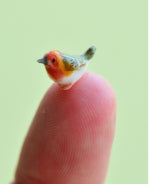
Many people feel a lasting connection with nature. Time spent outdoors often creates memories that remain meaningful throughout life, and animal jewelry provides a simple way to carry those memories every day. Someone who enjoys birdwatching may wear a songbird pendant. A person who grew up near the ocean may choose a sea turtle or whale. Others may select woodland animals because they represent peaceful walks through forests or family camping trips. These personal connections often matter more than widely accepted symbolic meanings.
Spirit Animal Beliefs
Several cultures believe that certain animals represent guidance, strength, or personal characteristics. While interpretations differ around the world, many people continue to appreciate the idea of animals reflecting qualities they hope to develop or celebrate. Whether viewed through cultural traditions or personal interpretation, animal-inspired jewelry often encourages reflection and self-awareness rather than following temporary fashion trends.
Childhood Memories and Favorite Animals
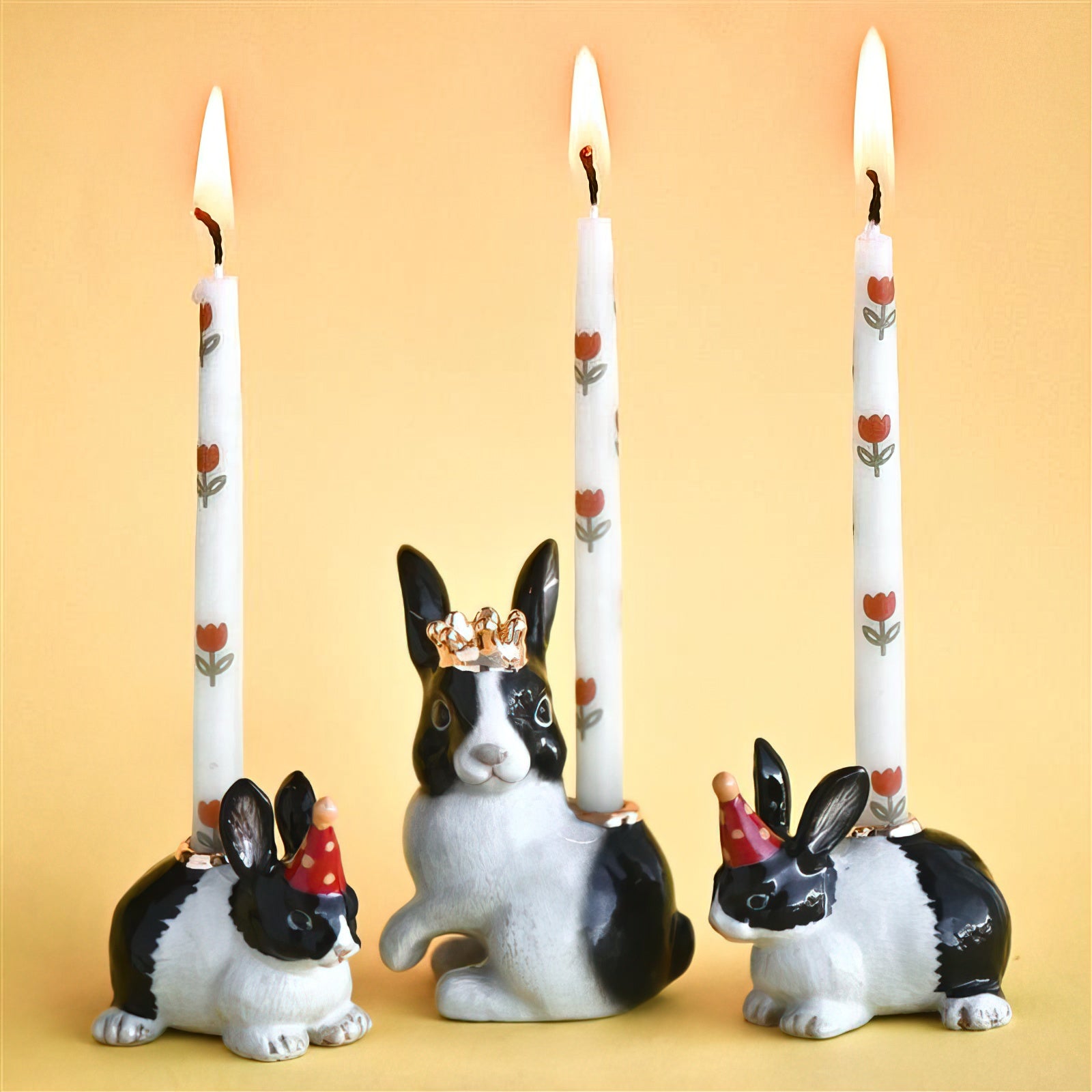
One of the strongest emotional connections comes from childhood experiences. Favorite storybooks, family vacations, visits to zoos, caring for pets, or exploring nature often create memories that last a lifetime. Because these memories are closely tied to positive emotions, people frequently choose jewelry featuring animals that remind them of those experiences. A rabbit may recall spring afternoons in a garden. A deer may bring back memories of family hikes. A swan may remind someone of a special trip or meaningful celebration. These personal stories make every piece unique, even when two people wear the same design.
Nature-Inspired Storytelling
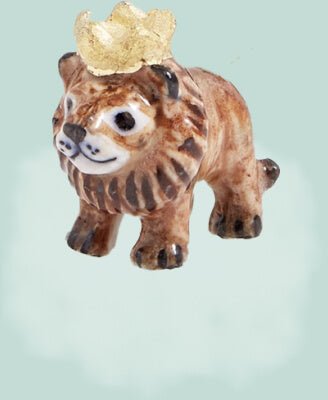
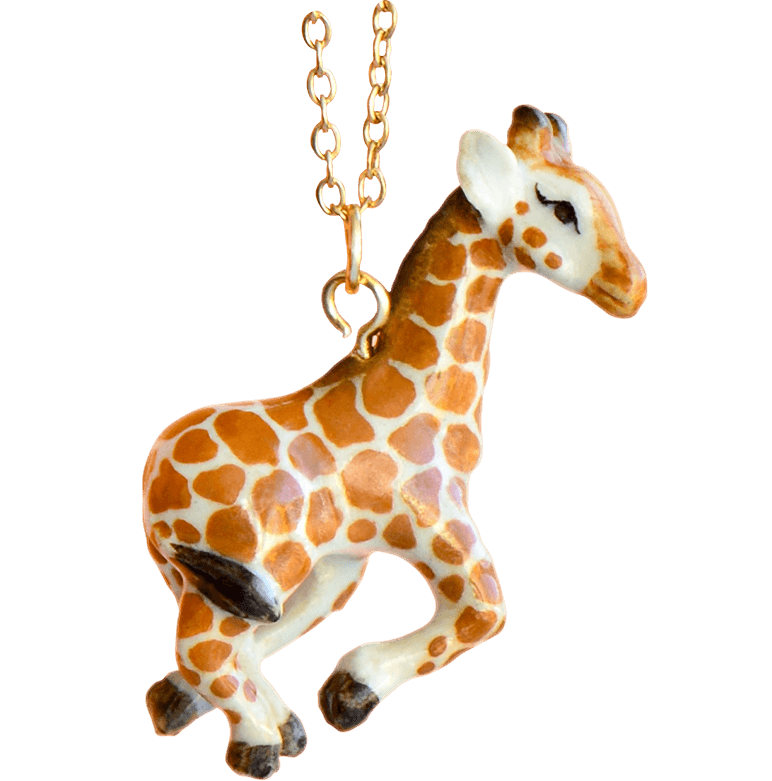
Many handcrafted jewelry collections celebrate animals through artistic storytelling rather than simple decoration. Small details such as facial expressions, posture, hand-painted colors, and sculpted textures allow each design to capture the personality of the animal. This artistic approach encourages people to choose jewelry because they connect with the story it tells. Nature-inspired porcelain jewelry follows this tradition especially well. Every carefully painted animal becomes a miniature work of art that reflects curiosity, joy, kindness, or wonder while celebrating the beauty of wildlife.
The Emotional Benefits of Wearing Meaningful Jewelry
Meaningful jewelry offers more than visual appeal. Because it represents personal memories and values, it can influence how people feel throughout the day. Psychologists recognize that familiar objects often provide emotional comfort, especially when they are connected with positive experiences.
Jewelry becomes part of daily routines. Seeing or touching a meaningful pendant during the day can gently remind someone of family, friendship, personal goals, or encouraging moments from the past.
-
Confidence
-
Comfort
-
Positive Reminders
-
Emotional Resilience
-
Feeling Connected to Loved Ones
Decoding the Psychology of Popular Jewelry Symbols
Different symbols evoke distinct mental states and emotional responses. Understanding the psychological associations behind popular archetypes helps you choose pieces that match your current life goals or emotional needs.
Nature & Botanical Motifs (Flora, Mushrooms, Trees)
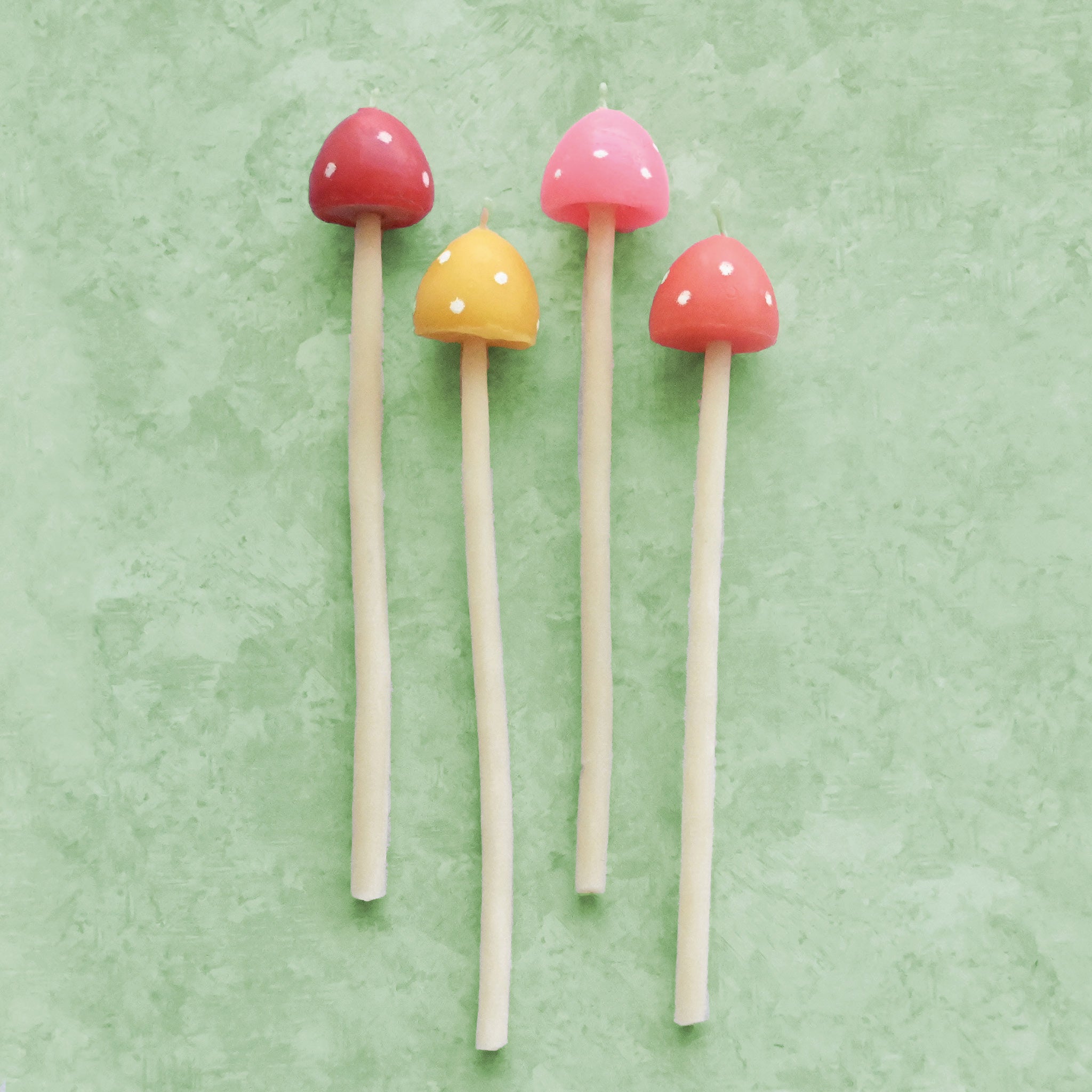
Botanical imagery taps into a universal human need for connection with the natural world. Wearing leaves, trees, or mushroom charms fosters feelings of growth, adaptability, and peaceful grounding. These symbols remind you that life moves in natural cycles, encouraging patience during slow periods and resilience during times of change.
Animal Totems (Foxes, Bees, Owls, Big Cats)
Animals represent pure, uncomplicated behavioral traits that humans have respected for centuries. Choosing an animal totem allows you to draw upon those specific characteristics in your own daily life:
-
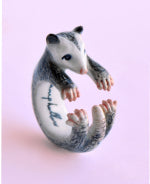
Foxes & Opossums: Symbolize clever resourcefulness, adaptability, and navigating tricky situations with ease.
-
Honeybees & Hens: Represent community spirit, industrious work, nurture, and enjoying life's sweet rewards.
-
Owls & Cats: Signify sharp intuition, quiet observation, independence, and deep wisdom.
-
Bears & Elephants: Embody grounding strength, protective instincts, and unwavering loyalty to loved ones.
Celestial & Mystical Icons (Moons, Stars, Eyes)
Celestial symbols connect the wearer to ideas of wonder, hope, and cosmic perspective. Crescent moons and stars encourage reflection, intuition, and trust during dark or uncertain times, while protective eye icons serve as reminders to stay observant and guard your personal energy.
Geometric & Knotwork Forms (Circles, Infinity, Spirals)
Clean geometric shapes appeal to the brain's innate desire for symmetry and structural balance. Circles and continuous knots represent wholeness, unity, and endless connection, offering a sense of order and quiet stability when daily life feels chaotic.
Material Psychology: Why Ceramic, Metal, and Gemstone Choices Matter
The material used to create a symbolic piece plays a direct role in how your mind and body react to wearing it. The weight, texture, temperature, and visual warmth of different substances trigger distinct psychological responses.
Tactile Feedback: The Warmth of Earth-Sourced Materials vs. Cold Metals
Cold, hard metal accessories can sometimes feel distant, industrial, or heavy against the skin. In contrast, earth-sourced ceramics like hard-paste porcelain carry a natural, organic warmth. Hand-sculpted porcelain feels lightweight, smooth, and pleasant against the body, creating a soothing tactile experience that feels alive rather than manufactured. This comfortable physical connection reinforces your emotional bond with the piece.
The Psychology of Color and Fired Glazes
Colors directly influence mood, energy levels, and thought patterns. The high-temperature kilns used for porcelain permanently fuse mineral glazes into brilliant, non-fading shades. Soft blues and greens promote relaxation and calm, bright yellows and golds spark joy and optimism, while deep earth tones instill a feeling of solid grounding. The glossy or matte sheen of a fired glaze catches light in ways that draw gentle visual attention, subtly lifting your spirits throughout the day.
The Ritual of Gifting: How Symbolic Jewelry Strengthens Human Connection
Exchanging jewelry has always been one of the most powerful ways humans express deep affection, gratitude, and shared history. Adding clear symbolic meaning to a gift turns a physical item into an unforgettable emotional experience.
Self-Gifting and Milestone Celebration
Buying a symbolic piece for yourself is an act of self-care and personal validation. Marking a promotion, the end of a difficult chapter, or a new personal goal with a dedicated heirloom creates a permanent physical reward. Every time you wear that piece, you remember your own strength and progress.
Relational Bonding Through Shared Keepsakes
Giving a friend or family member an animal charm or symbolic pendant communicates that you truly see and appreciate their unique personality. Choosing an emblem that reflects their specific traits—like a wise owl for a graduate or a resilient fox for someone starting a new career—shows deep thought and care, strengthening your personal bond for years to come.
Symbolic Jewelry vs. Fast Fashion Accessories
To understand the long-term mental benefits of meaningful jewelry, it helps to compare handcrafted heirlooms with mass-produced fashion items:
|
Feature |
Handcrafted Symbolic Heirloom |
Mass-Produced Fashion Accessory |
|
Psychological Function |
Emotional anchor & identity symbol |
Temporary trend follower |
|
Tactile Experience |
Warm, grounding, smooth, detailed |
Cold, metallic, light, sharp edges |
|
Wearer Connection |
High emotional attachment & intent |
Low attachment, easily discarded |
|
Longevity Expectation |
Lifetime / Passed down generations |
Seasonal / Prone to tarnish and break |
|
Mindset Impact |
Enhances confidence & inner calm |
Purely surface appearance |
Frequently Asked Questions
What is the psychological meaning behind wearing symbolic jewelry?
Wearing symbolic jewelry satisfies several core human needs: expressing your true identity non-verbally, offering physical stress relief through touch, reinforcing personal values through enclothed cognition, and keeping cherished memories or loved ones close to your heart.
Can wearing a talisman or lucky charm really affect your performance?
Yes. Psychological research demonstrates that carrying or wearing a personal charm boosts self-efficacy and reduces performance anxiety. This increase in confidence allows you to tackle difficult meetings, exams, or social events with greater focus and poise.
Why do people unconsciously touch or twist their jewelry when stressed?
Fiddling with a ring, charm, or pendant is a natural form of tactile self-soothing. This physical action redirects nervous energy, gives your hands a focus point, and provides smooth sensory feedback that helps calm the nervous system during tense moments.
How does wearing animal totem jewelry influence mood?
Animal symbols represent clear behavioral traits like courage, adaptability, or playfulness. Wearing an animal totem serves as an ongoing visual and physical prompt that encourages you to adopt those positive qualities throughout your daily routine.
Conclusion: Wear What Speaks to Your Story
Jewelry should never be just extra clutter in a drawer or a plain piece of metal bought to match an outfit. What you put on your body has the power to focus your mind, soothe your stress, and remind you of your core strength whenever life gets hectic. By choosing pieces crafted with care, natural materials, and rich storytelling, you transform daily dressing into a personal ritual of self-expression. Find the emblem that honors your unique journey today. Explore our collection of hand-painted porcelain animal necklaces, charm pins, and keepsake treasures at Camp Hollow to discover your personal talisman.